
AI meeting notes have become the most casually deployed surveillance system in the office.
The pitch is irresistible. Stop scribbling, let software capture the conversation, and receive a tidy summary with decisions and jobs attached. Everybody can pay attention. Nobody has to decipher Martin's handwriting, including Martin.
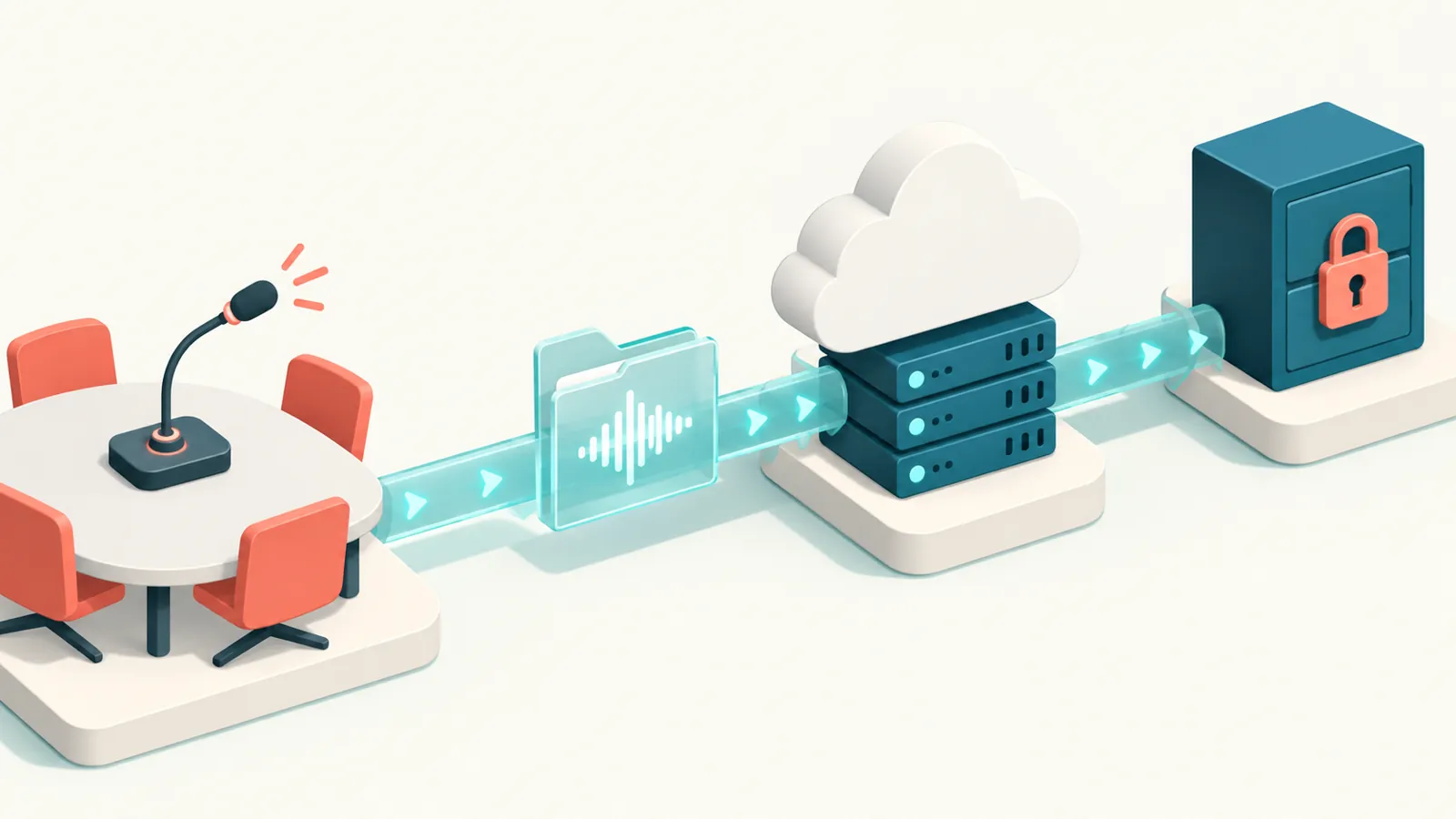
The problem is that we've mistaken a data pipeline for a notepad. A notepad sits in a drawer. An AI notetaker can join the call, record it, transcribe it, summarise it, share it and connect the result to a calendar. That's not a better pen. It's a new corporate memory, installed because someone clicked a cheerful button five minutes before the weekly catch-up.
The minutes now have a memory
The products aren't all doing the same thing. Otter can be set to join calendar meetings automatically, including every event with a valid video link. Google Meet can create notes in a document, attach them to the calendar event and keep them under the organisation's retention policy. An administrator can even make note-taking automatic for certain meetings.
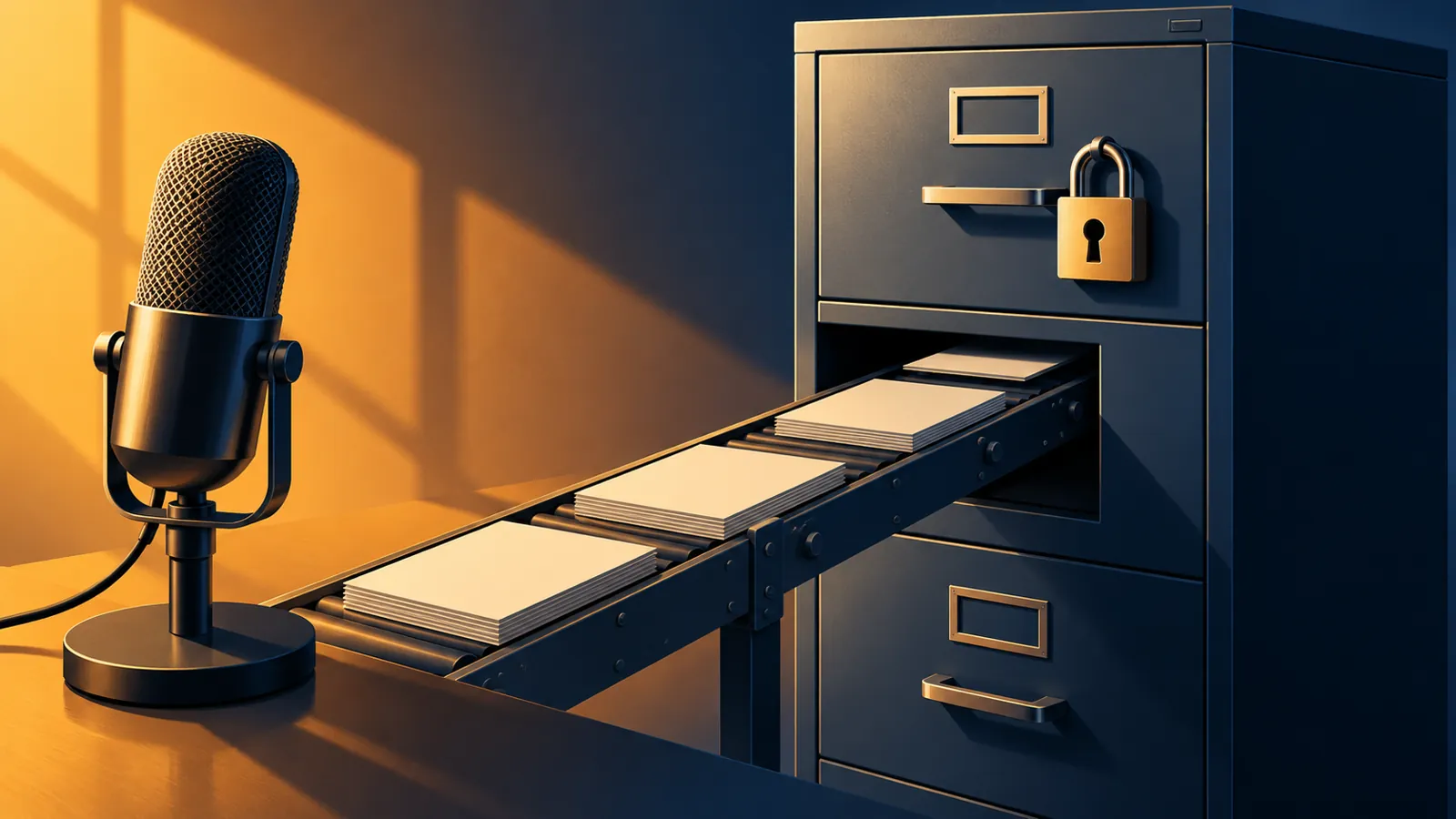
Microsoft gives organisations a revealing choice. Copilot can work only during a meeting using temporary speech-to-text data that isn't saved afterwards, or it can remain useful after the meeting when transcription is on. Even the temporary option may retain prompts and responses when compliance policies require it.
Zoom says customer communications aren't used to train its AI models. Good. It also says meeting summaries use speech-to-text data, may use screen content and chat, and can send relevant data to third-party models to provide the feature. Also good to know. "Not used for training" and "not processed elsewhere" aren't the same sentence, no matter how often a sales deck encourages us to squint.
Every meeting now gets a tireless intern who never sleeps, never forgets and occasionally decides the office plant agreed to the pricing change. The intern may also bring subcontractors and a filing cabinet. Very efficient.
Default on is the wrong default
Call me cynical, but software companies don't want to save us from handwriting out of pure civic duty. The useful prize is a searchable archive of how a business speaks, decides and assigns work. That's valuable to the customer. It's also a marvellous way to make the software harder to leave.
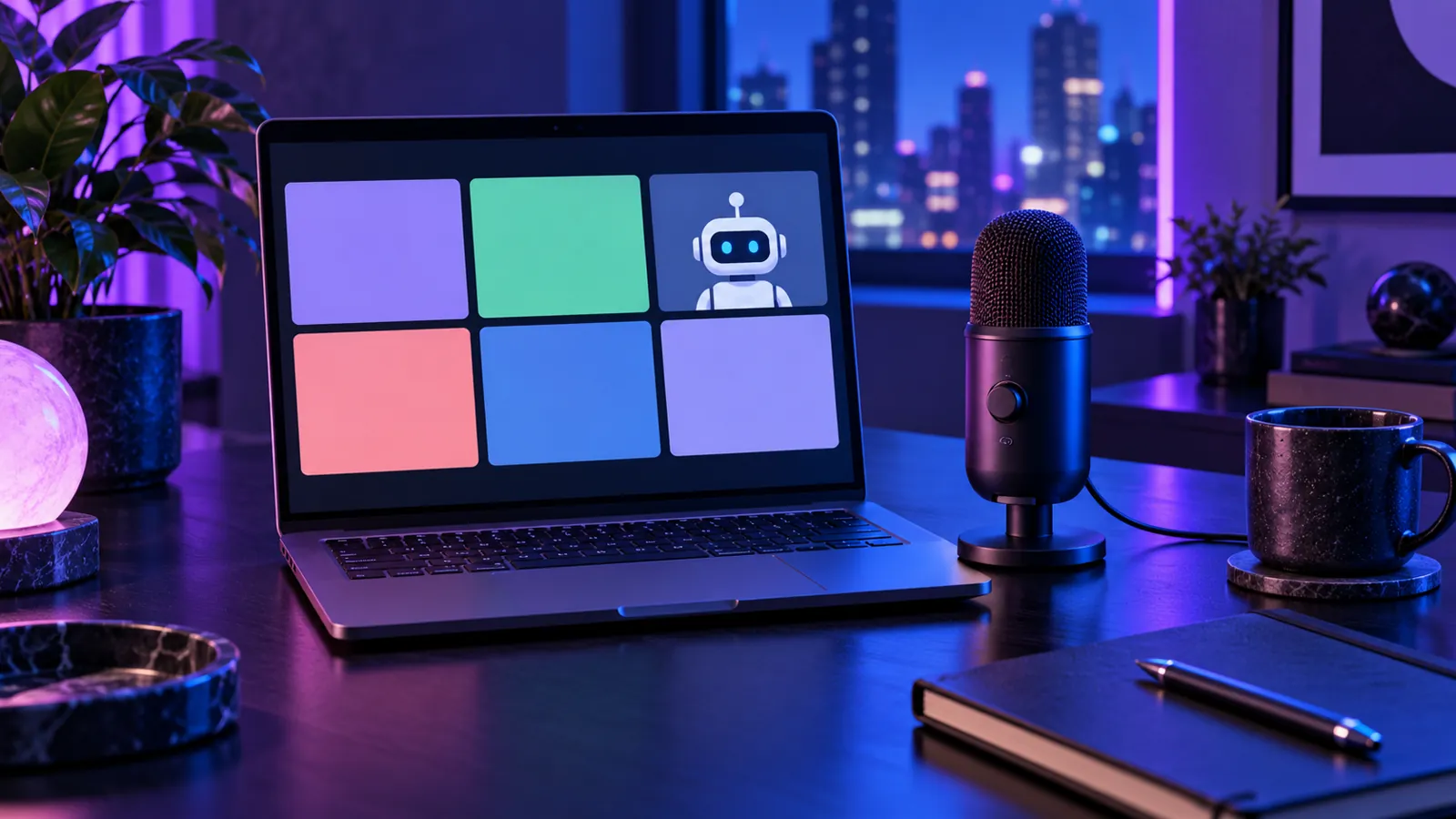
A transcript locked inside one productivity suite isn't merely a convenience. It becomes part of the company's institutional memory. The more history it holds, the more switching tools feels like elective amnesia. Apparently, vendor lock-in has discovered minutes and actions. It now wears a headset.
My view is simple: AI meeting notes should be off by default and switched on for a reason. Routine project updates may benefit. A sensitive hiring discussion, performance conversation, grievance, legal dispute or financing negotiation probably deserves a much higher bar than "the bot was already in the room".
This isn't an argument against the tools. It's an argument against treating every spoken conversation as raw material waiting to become a permanent document. Some meetings need a record. Some need a decision. Quite a few need to end ten minutes earlier, a problem artificial intelligence has bravely declined to solve.
Decide what deserves to survive
The business question comes before the software setting. What exactly are we capturing, who can see it, where does it sit, when is it deleted, and what happens when the summary is wrong? If nobody owns those answers, the notetaker doesn't remove admin. It creates a quieter, more durable version of it.
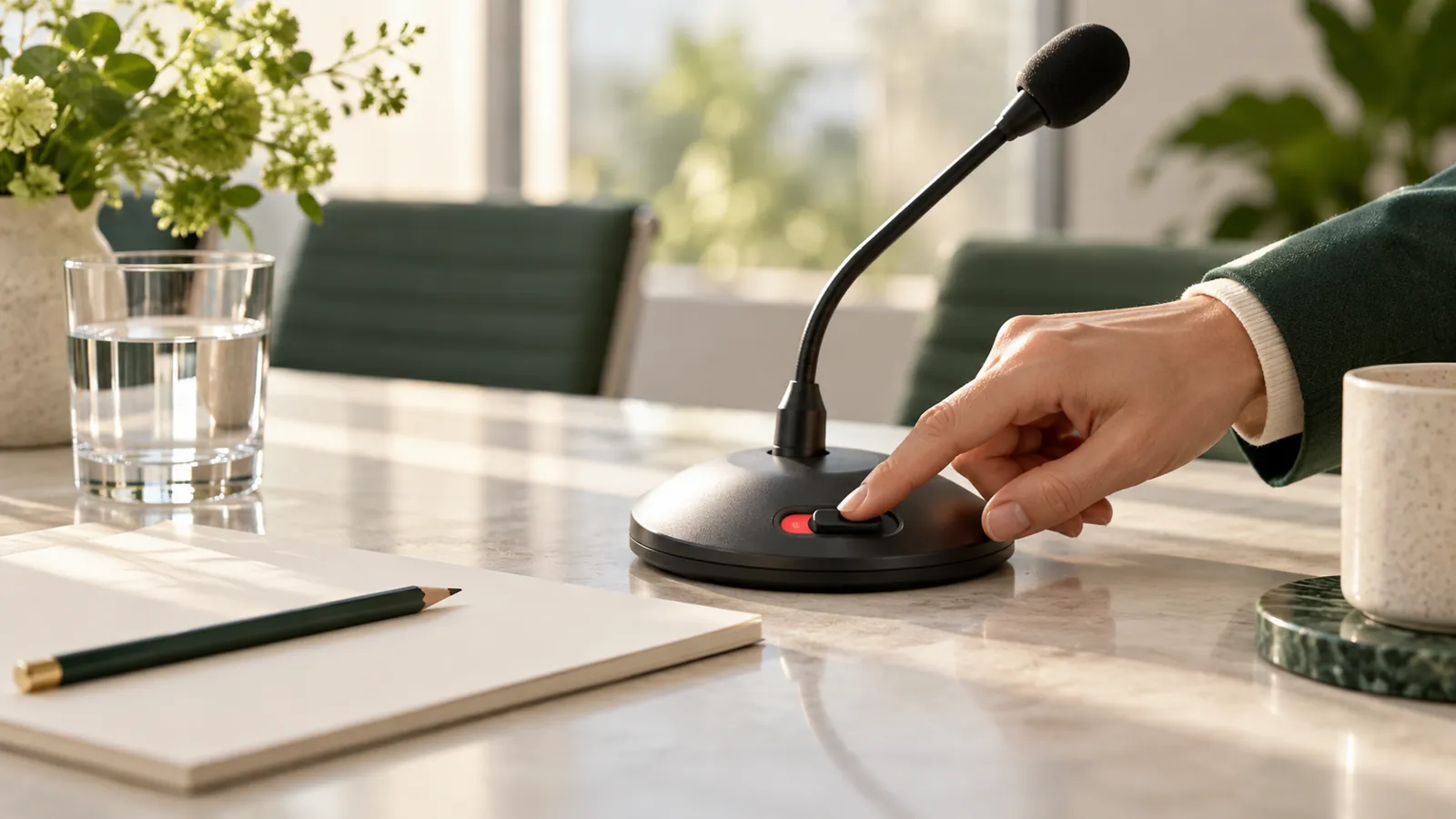
The UK's data protection guidance isn't mysterious about the shape of the job. AI systems using personal data bring questions of lawfulness, fairness, transparency, purpose, minimisation, accuracy, retention, security and accountability. That sounds painfully grown-up because it is. Consent isn't a decorative pop-up placed between joining the call and locating the mute button.
Google's explicit consent control is off by default for administrators to enable. That small detail says quite a lot about the market. Convenience arrives switched on more readily than governance because convenience sells seats. Governance sells meetings with lawyers.
The sensible policy doesn't need to be a 40-page masterpiece. Make note-taking deliberate, tell people plainly, restrict access, set a retention period and review the output before it becomes the official version of events. Most importantly, preserve the option not to record. People speak differently when every half-formed thought is being prepared for search.
AI meeting notes can save typing. They can also turn the most ordinary conversation into company data with a longer life than the decision it captured. The meeting bot isn't the product. The archive is.
Do you want better minutes, or have you quietly handed a software vendor your institutional memory?
Sources
- https://support.google.com/meet/answer/14754931?hl=En
- https://support.zoom.com/hc/en/article?id=zm_kb&sysparm_article=KB0057861
- https://ico.org.uk/for-organisations/uk-gdpr-guidance-and-resources/artificial-intelligence/guidance-on-ai-and-data-protection/about-this-guidance?search=synthetic
- https://help.otter.ai/hc/en-us/articles/13674910923671-Automatically-add-Otter-Notetaker-to-your-meetings
- https://learn.microsoft.com/en-us/microsoftteams/copilot-teams-transcription